

Precision Linear Shafts: The Backbone of High-Performance Machinery!
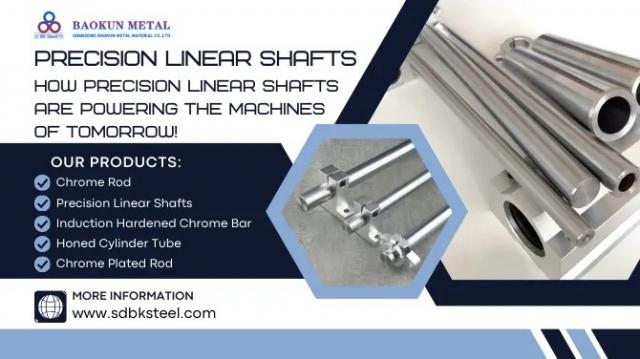
In the ever-evolving world of industrial automation and advanced manufacturing, the demand for accuracy, reliability, and efficiency has never been higher. As industries strive to achieve greater productivity and minimize downtime, the components that form the foundation of their machinery become increasingly critical. Among these essential components, Precision Linear Shafts stand out as the unsung heroes—quietly enabling smooth, accurate, and repeatable motion in a vast array of high-performance machines.
At Shandong Baokun Metal Material Co., Ltd, we recognize the pivotal role that precision linear shafts play in modern engineering. Whether you are designing a state-of-the-art CNC machine, an automated assembly line, or a sophisticated medical device, the quality and performance of your linear shafts can make all the difference.
Understanding Precision Linear Shafts
What Are Precision Linear Shafts?
Precision linear shafts are cylindrical rods engineered to provide smooth, accurate, and low-friction linear motion. Manufactured to tight tolerances and often surface-hardened, these shafts serve as the guiding backbone for linear bearings, bushings, and other motion components. Their primary function is to ensure that moving parts travel along a precise, straight path with minimal deviation or resistance.
Key Features of Precision Linear Shafts:
- High Dimensional Accuracy: Manufactured to strict tolerances for diameter, roundness, and straightness.
- Surface Hardness: Often induction-hardened or case-hardened to resist wear and extend service life.
- Smooth Surface Finish: Polished to reduce friction and prevent premature bearing wear.
- Corrosion Resistance: Available in various materials and coatings to withstand harsh environments.
- Customizability: Can be supplied in different lengths, diameters, and with special end machining.
Why Are They Called “Precision” Linear Shafts?
The term “precision” refers to the exacting standards to which these shafts are manufactured. Even the slightest deviation in diameter, straightness, or surface finish can lead to increased friction, misalignment, or premature failure in high-performance machinery. Therefore, precision linear shafts are produced using advanced manufacturing techniques and rigorous quality control processes to ensure consistent, reliable performance.
The Role of Precision Linear Shafts in High-Performance Machinery
- Enabling Smooth and Accurate Motion
At the heart of any high-performance machine is the need for controlled, repeatable motion. Precision linear shafts provide the stable, low-friction guidance required for moving parts to travel smoothly and accurately. This is especially critical in applications where even a micron-level error can compromise the entire process. - Supporting Heavy Loads and High Speeds
Modern machinery often operates at high speeds and under significant loads. Precision linear shafts are engineered to withstand these demanding conditions without bending, warping, or wearing out prematurely. Their surface hardness and material strength ensure long-term reliability, even in the most challenging environments. - Reducing Maintenance and Downtime
Because they are designed for durability and low friction, precision linear shafts help minimize wear on bearings and other moving components. This translates to reduced maintenance requirements, fewer breakdowns, and longer intervals between replacements—ultimately saving time and money for your business. - Enhancing Machine Accuracy and Repeatability
In industries such as electronics manufacturing, medical device production, and aerospace, accuracy and repeatability are paramount. Precision linear shafts ensure that every movement is consistent, enabling machines to produce high-quality parts with minimal variation.
Key Applications of Precision Linear Shafts:
Precision linear shafts are used in a wide range of industries and applications, including:
- CNC Machines: Guiding the movement of cutting tools and workpieces with high accuracy.
- 3D Printers: Ensuring precise layer-by-layer deposition for complex geometries.
- Robotics: Providing smooth, controlled motion for robotic arms and actuators.
- Automated Assembly Lines: Facilitating the rapid, repeatable movement of components.
- Medical Devices: Enabling precise positioning in diagnostic and surgical equipment.
- Packaging Machinery: Supporting high-speed, accurate packaging operations.
- Textile Machinery: Ensuring smooth, reliable motion in weaving and knitting machines.
- Printing Equipment: Guiding print heads and paper feeds with precision.
Types of Precision Linear Shafts
Understanding the different types of precision linear shafts can help you select the right solution for your application. The most common types include:
1. Solid Linear Shafts
These are the most widely used types, offering high strength and rigidity. They are ideal for applications where load-bearing capacity is critical.
2. Hollow Linear Shafts
Hollow shafts are lighter than solid shafts but still provide excellent strength and rigidity. They are often used in applications where weight reduction is important.
3. Supported Linear Shafts
Supported shafts are mounted on a support rail, which prevents deflection over long spans. This makes them suitable for applications requiring long travel distances.
4. Stainless Steel Linear Shafts
Stainless steel shafts offer superior corrosion resistance, making them ideal for use in harsh or hygienic environments, such as food processing or medical equipment.
5. Coated Linear Shafts
Some shafts are coated with materials such as chrome or Teflon to enhance wear resistance, reduce friction, or provide additional corrosion protection.
Materials Used in Precision Linear Shafts
The choice of material is crucial for the performance and longevity of precision linear shafts. Common materials include:
- Carbon Steel: Offers high strength and can be induction-hardened for wear resistance.
- Stainless Steel: Provides excellent corrosion resistance and is suitable for cleanroom or outdoor applications.
- Alloy Steel: Combines strength, toughness, and wear resistance for demanding environments.
- Aluminum: Lightweight and corrosion-resistant, but less suitable for high-load applications.
Each material has its advantages and is selected based on the specific requirements of the application.
Manufacturing Process of Precision Linear Shafts
Producing high-quality precision linear shafts involves several critical steps:
1. Material Selection and Preparation
The process begins with the selection of high-grade raw materials, which are then cut to the required length.
2. Turning and Grinding
The shafts are machined to achieve the desired diameter and straightness. Precision grinding ensures tight tolerances and a smooth surface finish.
3. Heat Treatment
Many shafts undergo induction or case hardening to increase surface hardness and wear resistance.
4. Polishing
The surface is polished to a mirror-like finish, reducing friction and preventing premature bearing wear.
5. Quality Inspection
Each shaft is inspected for dimensional accuracy, straightness, surface finish, and hardness to ensure it meets stringent quality standards.
6. Custom Machining (if required)
Shafts can be custom-machined with features such as threads, holes, or flats to suit specific applications.
How to Select the Right Precision Linear Shafts for Your Machinery?
Choosing the right precision linear shafts is essential for maximizing machine performance and longevity. Here are the key factors to consider:
1. Load Capacity
Determine the maximum load the shaft will need to support. This includes both static and dynamic loads.
2. Length and Diameter
Select the appropriate length and diameter based on the required travel distance and load-bearing needs. Longer shafts may require support rails to prevent deflection.
3. Material and Surface Treatment
Choose a material that offers the necessary strength, corrosion resistance, and wear properties for your environment. Consider surface treatments such as hardening or coating for added durability.
4. Tolerance and Surface Finish
Ensure the shaft meets the required tolerances for diameter, roundness, and straightness. A smoother surface finish reduces friction and extends bearing life.
5. Environmental Conditions
Consider factors such as temperature, humidity, and exposure to chemicals or contaminants. Stainless steel or coated shafts may be necessary for harsh environments.
6. Compatibility with Bearings and Housings
Verify that the shaft is compatible with the linear bearings, bushings, or housings used in your machinery.
7. Customization Needs
If your application requires special features, such as custom end machining or mounting holes, work with a supplier who can provide tailored solutions.
The Importance of Quality in Precision Linear Shafts
The performance of your machinery depends heavily on the quality of its components. Inferior shafts can lead to increased friction, misalignment, premature wear, and even catastrophic failure. Therefore, it is essential to source your precision linear shafts from a reputable manufacturer like Shandong Baokun Metal Material Co., Ltd, which adheres to strict quality control standards and uses advanced manufacturing techniques.
Maintenance and Care of Precision Linear Shafts
Proper maintenance is key to maximizing the lifespan and performance of your precision linear shafts. Here are some best practices:
- Regular Cleaning: Remove dust, debris, and contaminants to prevent abrasive wear.
- Lubrication: Apply appropriate lubricants to reduce friction and prevent corrosion.
- Inspection: Periodically check for signs of wear, corrosion, or misalignment.
- Replacement: Replace shafts that show significant wear or damage to avoid compromising machine performance.
By following these guidelines, you can ensure that your precision linear shafts continue to deliver reliable, high-performance motion for years to come.
Why Choose Shandong Baokun Metal Material Co. Ltd for Precision Linear Shafts?
At Shandong Baokun Metal Material Co. Ltd, we are committed to providing our customers with the highest quality precision linear shafts. Here's what sets us apart:
- Advanced Manufacturing: We use state-of-the-art equipment and processes to produce shafts with exceptional accuracy and surface finish.
- Strict Quality Control: Every shaft undergoes rigorous inspection to ensure it meets our exacting standards.
- Wide Range of Options: We offer a comprehensive selection of materials, sizes, and custom machining options to suit any application.
- Expert Support: Our experienced team provides technical guidance and support to help you select the right shafts for your needs.
- Global Reach: With efficient logistics and reliable delivery, we serve customers around the world.
When you choose Shandong Baokun Metal Material Co. Ltd, you are partnering with a company that understands the critical role of precision linear shafts in your machinery—and is dedicated to your success.
Precision linear shafts truly are the backbone of high-performance machinery. Their ability to provide smooth, accurate, and reliable motion is essential for the success of countless industrial applications. By understanding the key features, types, and selection criteria for precision linear shafts, you can make informed decisions that enhance the performance and longevity of your equipment.
Frequently Asked Questions (FAQ)
1. What are precision linear shafts used for?
Precision linear shafts are used to guide and support linear motion in a wide range of machinery, including CNC machines, 3D printers, robotics, medical devices, and automated assembly lines.
2. How do I choose the right material for my linear shafts?
The choice of material depends on factors such as load requirements, environmental conditions, and the need for corrosion resistance. Carbon steel is suitable for most applications, while stainless steel is recommended for corrosive or hygienic environments.
3. What is the difference between solid and hollow linear shafts?
Solid shafts offer maximum strength and rigidity, while hollow shafts are lighter and suitable for applications where weight reduction is important. Both types can be precision-ground and hardened.
4. How important is surface finish in precision linear shafts?
A smooth surface finish is critical for reducing friction, minimizing wear on bearings, and ensuring accurate motion. High-quality shafts are polished to achieve a mirror-like finish.
5. Can precision linear shafts be customized?
Yes, at Shandong Baokun Metal Material Co. Ltd, we offer custom machining services, including special end features, holes, threads, and lengths to meet your specific requirements.
6. How do I maintain my precision linear shafts?
Regular cleaning, proper lubrication, and periodic inspection are essential for maintaining shaft performance. Replace shafts that show signs of significant wear or damage.
7. What tolerances are typical for precision linear shafts?
Tolerances vary depending on the application, but high-quality shafts are typically manufactured to within a few microns for diameter, roundness, and straightness.
8. Are stainless steel shafts suitable for all environments?
Stainless steel shafts offer excellent corrosion resistance and are ideal for harsh or hygienic environments. However, they may not be necessary for all applications, especially where cost is a concern.
9. How do I order precision linear shafts from Shandong Baokun Metal Material Co. Ltd?
You can contact our sales team with your specifications, including material, diameter, length, and any custom features. We will provide a detailed quotation and assist you throughout the ordering process.
10. What sets Shandong Baokun Metal Material Co. Ltd apart from other suppliers?
Our commitment to quality, advanced manufacturing capabilities, wide product range, and expert customer support make us a trusted partner for businesses worldwide.